
Start with what is needed to market the property: industrial area, property type, land and built-up size, asking price or rent, occupancy, photos and an authorised contact. Power supply, ceiling height, tenure, floor loading and CCC details can be added when known. Before serious interest moves to a viewing, offer or due diligence, verify the supporting documents in a second stage.
Why a two-stage approach works
An industrial buyer is rarely buying a building. They are buying somewhere to run a process.
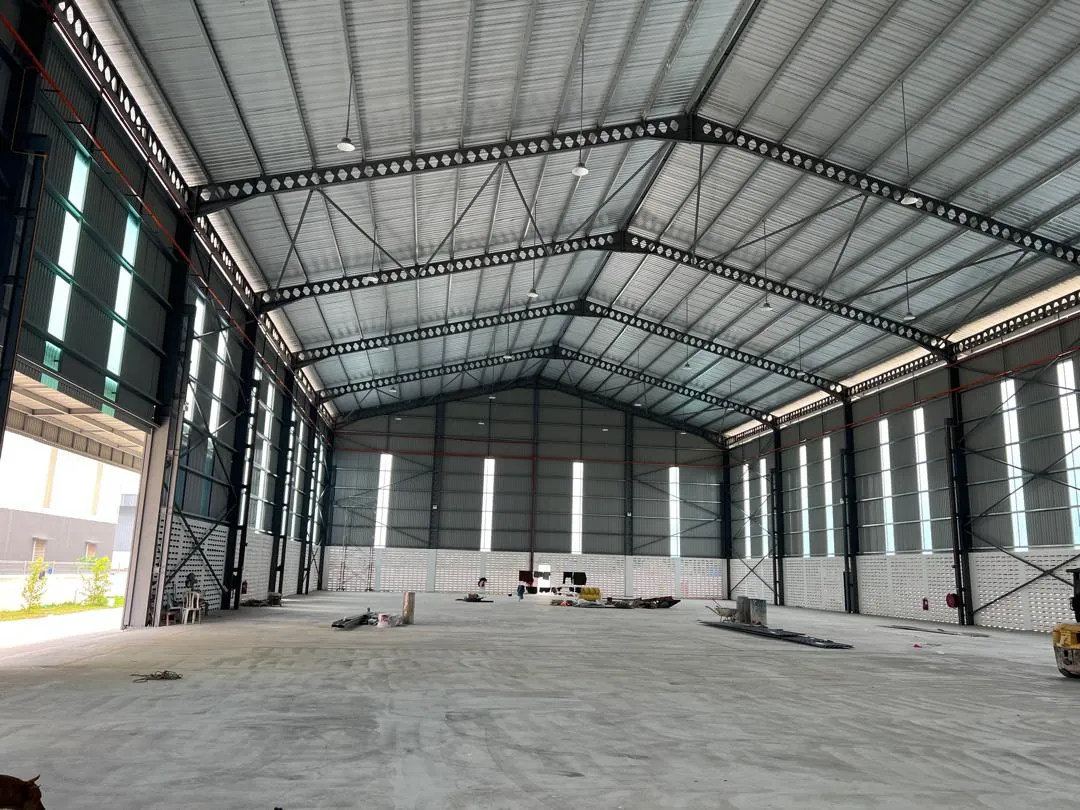 Photo for illustration purposes only
- A production line, a racking layout, trucks turning in a yard.
- If the listing cannot show the process fits, buyers move on or ask questions for weeks.
Stage 1: enough to market
- When
- Now
- What
- Confirmed basics, photos, a contact
- Unknown details
- Left out, never guessed
Stage 2: verify before commitment
- When
- A serious buyer is ready to view, offer or check
- What
- The documents; copies are fine
- Your documents
- Not passed on without asking you
Stage 1: enough to market
Start with the basics.
Needed to start:
- Industrial area
- Property type
- Land size
- Built-up size
- Asking price or rent
- Occupancy
- A few photos
- Owner or authorised contact
Add if known:
- Power supply
- Ceiling height
- Tenure
- Floor loading
- CCC status
Not known?Leave it out for now rather than guess.
This is enough for Chris to start matching:
“20,000 sq ft factory in Kapar, RM2.4 million, photos available.”
Stage 2: verify before commitment
Needed when a buyer is ready to view, offer or begin due diligence. Copies are fine.
Owner, land area, tenure and years left, land use, limits on transfer.
Built legally and fit to occupy. Banks ask early.
The approved built-up, and whether extensions match.
The holding costs, paid up.
The supply. Heavy-machinery buyers ask first.
Rent, expiry and any renewal option.
Technical details to add when known
If you know them, put them in the first message.
- Land and built-up, stated separately: the gap is the yard.
- Power in amps, from the bill or the switchboard.
- Eave height: floor to roof structure at the wall. It sets racking height and crane fit.
- Loading: shutters or docks, their size, and whether a 40-foot container can turn in.
- Floor loading, only if the drawings state it: a guess is worse than a gap.
See also factory power and freehold or leasehold.
Be straight about what is unknown
A missing detail is acceptable at the first stage. A guessed detail is not.
- Leave power, height, floor loading, tenure or certificates off until a document confirms them.
- Every factory has something: a roof sheet to replace, an unsubmitted extension, a neighbour's lorries at four o'clock. Buyers find it anyway.
Disclosed at the start
- What happens
- It is simply part of the price conversation
Found late
- What happens
- The buyer asks for a discount or walks away
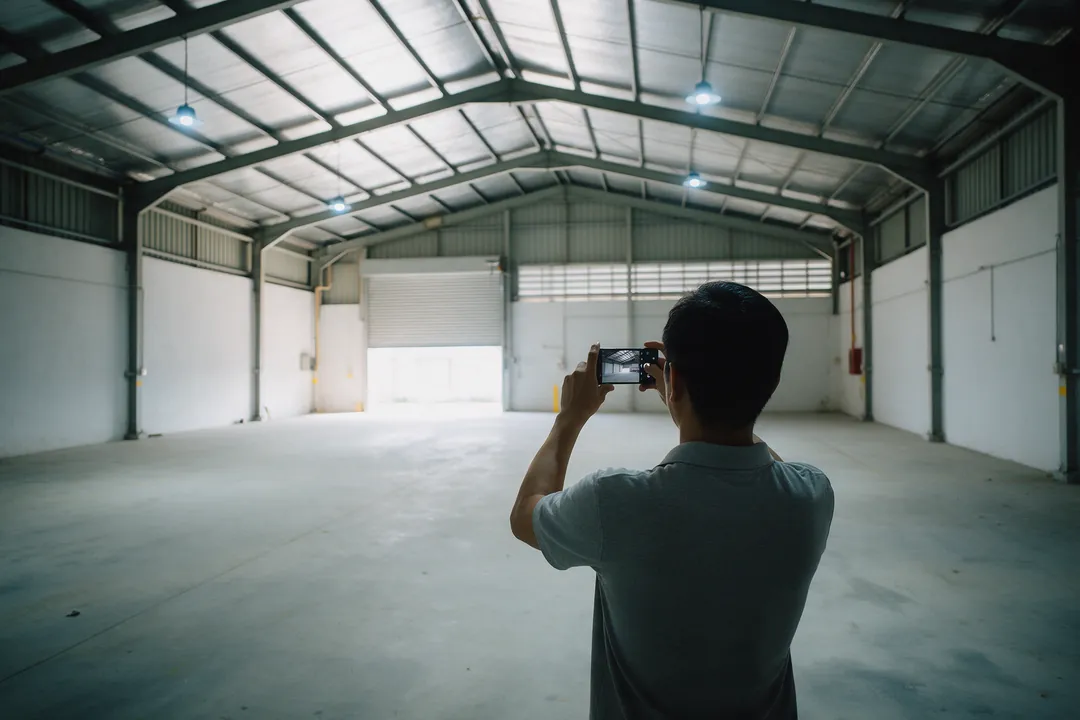 Photo for illustration purposes only
Clear the floor, open the shutters and photograph:
- The full length of the floor
- The roof structure
- The loading side
- The switch room
- The office
- The approach road
What happens after you send it
Four steps, one person.
- We visitWe walk the building and photograph it.
- A one-page fact sheetYou see the listing before it is published.
- Matched the same dayCompared with every open requirement on our request board; agents with a close fit are told that day.
- One point of contactEnquiries, viewings and offers come through one person.
Ready to list? Send the address and a few photos. That is enough to start.
WhatsApp ChrisThe full process is set out in the guidelines for owners.
Park guides: Welloyd Industrial Park, Meru, Sunsuria Kejora Business Park, Puncak Alam, Eco Business Park V, Puncak Alam and NCT Smart Industrial Park, Kuala Langat.
Common questions
Can I list a factory if the title has not been issued yet?
Yes. The sale and purchase agreement with the developer, together with the developer's confirmation of ownership, is normally used until the title is issued. Say so at the start, because it affects the buyer's financing timeline.
Do I need a valuation before listing?
No. A formal valuation is useful if you want an independent view on price, but it is not required. Recent transactions nearby and current demand on the request board usually give a workable starting point.
Should I list for sale and for rent at the same time?
You can. Many owners are open to either. It helps to decide in advance which you prefer and the terms on which you would accept the other, so a tenant's offer does not stall a sale or the reverse.
What if my building has an extension that is not on the approved plans?
Disclose it. Buyers and their bankers compare the building with the approved plans during due diligence. It is usually better to discuss it openly, and decide whether to regularise it, than to have it found later.